Liposuction marketing has produced a small dictionary of names — lipo 360, HD lipo, VASER, 4D — and patients arrive at my Los Angeles practice understandably confused about whether these are different procedures or the same procedure wearing different outfits. The two terms that matter most are lipo 360 and HD VASER lipo, and here is the cleanest way to keep them straight: lipo 360 describes where we treat; HD VASER describes how we sculpt. One is a map, the other is a technique — and the best results often use both.
Lipo 360 treats the torso as a complete circle in one session: upper and lower abdomen, both flanks (love handles), and the back — including the bra-line rolls that a front-only lipo leaves behind. The logic is aesthetic honesty: your waist is a three-dimensional structure, and suctioning only the front creates a flat stomach attached to untouched sides and back, a mismatch you notice in every fitted shirt. Treating the full circumference is what produces the snatched-waist effect patients actually want. It’s a coverage plan, not a special machine — the fat can be removed with traditional tumescent technique, power-assisted devices, or ultrasound.
Hi-Def VASER liposuction is a technique upgrade. VASER is an FDA-cleared ultrasound device that emulsifies fat with sound energy before suction — loosening fat cells while being gentler on nerves, vessels, and connective tissue. That gentleness lets a surgeon work in the superficial fat layer, just under the skin, where conventional cannulas risk contour irregularities. Working superficially is what makes “high definition” possible: I can deliberately leave fat over the muscle bellies and remove it along the natural grooves — the linea alba, the semilunar lines, the obliques — so the underlying musculature shows through. It’s the difference between making you smaller and making you look carved. A secondary benefit reported in the clinical literature, including peer-reviewed VASER studies, is measurable skin retraction — useful for borderline skin tone.
| Lipo 360 | HD VASER Lipo | |
|---|---|---|
| What it defines | Treatment area — full circumferential torso | Technique — ultrasound-assisted, superficial sculpting |
| Goal | Smaller, balanced, snatched waist from every angle | Athletic definition — visible ab and oblique contours |
| Best candidate | Stubborn torso fat, normal muscle visibility goals | Near goal weight, decent muscle tone underneath |
| Skin benefit | Depends on technique used | Ultrasound stimulates modest skin retraction |
| Operative time | 2–3 hours | 3–4+ hours (etching is meticulous work) |
| Cost at my practice (2026) | VASER Lipo 360 starting at $15,000, all-inclusive | Hi-Def etching quoted case-by-case above the 360 base |
| Revision tolerance | Forgiving | Less forgiving — demands experienced hands |
Because one term is a map and the other a method, the real consultation question isn’t “which one” — it’s “how much of each.” A patient with good muscle tone who wants visible abs gets HD VASER applied across a 360 plan: circumferential debulking plus superficial etching where the anatomy earns it. A patient primarily chasing a smaller waist gets the 360 coverage without aggressive etching — cleaner recovery, lower cost, and a result that doesn’t depend on maintaining single-digit body fat to look right. And patients planning a Brazilian butt lift should know the two conversations are usually one: the fat harvested during liposuction of the torso is exactly what gets transferred in a BBL, so the waist and the projection are designed together.
Neither procedure is weight loss — the American Society of Cosmetic Surgeons is clear that liposuction is contouring for localized deposits, and my best results come in patients within roughly 30 percent of goal weight. Neither fixes significant loose skin: suction under lax skin worsens the drape, and that patient may need a tummy tuck conversation instead. And HD etching specifically carries a maintenance clause I state out loud in every consultation: the definition is real fat architecture, and a 15-pound gain will soften it. If your weight cycles, standard 360 contouring ages more gracefully than etched abs.
One more variable patients rarely price in: the facility and the anesthesia plan. Circumferential work means time face-down and face-up in a single session, which is exactly the kind of case that belongs in an accredited operating room with a physician anesthesiologist — not a discount suite. When you compare quotes, confirm both are included; a low headline price that excludes them isn’t a lower price, it’s a partial one.
No. Lipo 360 describes the treatment area — the full circumference of the torso in one session. HD VASER describes the technique — ultrasound-assisted fat removal with superficial sculpting for muscle definition. They’re frequently combined in a single operation.
They answer different goals. For a smaller, balanced waist from every angle, lipo 360 coverage is what matters. For visible ab and oblique definition, VASER’s superficial etching is the tool. Many patients get VASER technique applied across a 360 plan.
At my practice, VASER Lipo 360 starts at $15,000 all-inclusive — pre-op preparation, the accredited surgery center, anesthesia, every follow-up, and scar management. Lower figures you see online are usually surgeon-fee-only market averages. Hi-Def sculpting is quoted case-by-case above the 360 base, reflecting the longer, more meticulous operative work.
The ultrasound step is gentler on blood vessels and connective tissue, which generally means less bruising. Overall safety depends far more on surgeon experience, appropriate patient selection, and an accredited facility than on the device brand itself.
Not well. Etching reveals the musculature you have — it cannot create muscle that isn’t there. Patients with minimal core tone get a better, more durable result from standard 360 contouring, with the option to refine later as their training progresses.
Most patients are back at desk work in five to seven days, in a compression garment for six to eight weeks, and see their near-final contour around three months. HD cases swell somewhat more because of the superficial work, so definition emerges gradually.
Lipo 360 is the map; HD VASER is the chisel. Decide first what result you’re buying — a balanced, smaller waist or carved athletic definition — and the right combination follows from your anatomy, skin quality, and how you live. That’s a physical exam conversation, not a brochure decision: book a consultation or call (310) 455-8020 and I’ll show you on your own torso where each approach earns its cost.
—
**Connected:** [[20 Areas/Marketing/Blog Editorial Calendar/_README|Blog Editorial Calendar]] · [[10 Projects/Blog Publishing Pipeline — 2026/00 README|Blog Publishing Pipeline]]
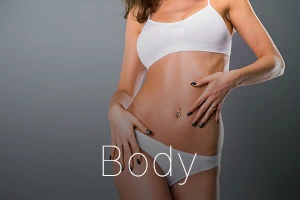
* Illustrative images on this page are models, not actual patients. Real patient results are shown in our Before & After gallery.
National-average figures quoted in articles — including some on this site — are typically bare-bones estimates: the surgeon's fee alone. They usually exclude the operating facility, anesthesia, pre-op preparation, and aftercare, and they average in every market and every level of experience nationwide.
At Moein Surgical Arts, your quote is all-inclusive: pre-operative preparation and clearance, the accredited surgical facility, anesthesia, every post-operative follow-up visit, and our scar-management program — performed personally by a double board-certified surgeon in Los Angeles. One price, no surprise add-ons.