Many women considering breast augmentation also plan for future motherhood. A common question at Moein Surgical Arts is: “Can you breastfeed with implants?” Most women with breast implants can breastfeed successfully. However, breastfeeding depends on several factors, including breast anatomy, hormone response, nerve function, duct integrity, incision location, implant placement, and other related factors such as thyroid function, prior breast development, or infant latch.
This guide provides a clear and practical understanding of which implants affect breastfeeding and which do not, what to expect, and how to improve your chances of breastfeeding. With this information, you can make informed decisions about your surgery and your future as a mother.

Understanding how the breast works can make it easier to explain breastfeeding after surgery. Milk is produced in glandular tissue, which consists of clusters of cells called lobules. From there, it moves through ducts to the nipple. After surgery, the main concern is that these ducts remain open and that the nerves that control the “let-down” reflex remain functional.
When considering cosmetic surgery, it is clear that modern procedures aim to keep as much of the breast’s milk production system intact as possible. For example, Dr. Moein uses advanced techniques to help achieve this.
Breastfeeding depends on three key systems working together:
1) Glandular tissue and ducts
Milk is produced by glands (lobules) and carried to the nipple through ducts. Some women naturally have more glandular tissue than others.
2) Nerve supply and hormonal signalling
The nipple–areola complex contains sensory nerves. When a baby latches and suckles, those nerves send signals that trigger hormones, primarily prolactin (milk production) and oxytocin (milk let-down).
3) Milk removal and demand
Supply is heavily influenced by demand. Effective latch and frequent milk removal in the early days often determines whether supply ramps up well.
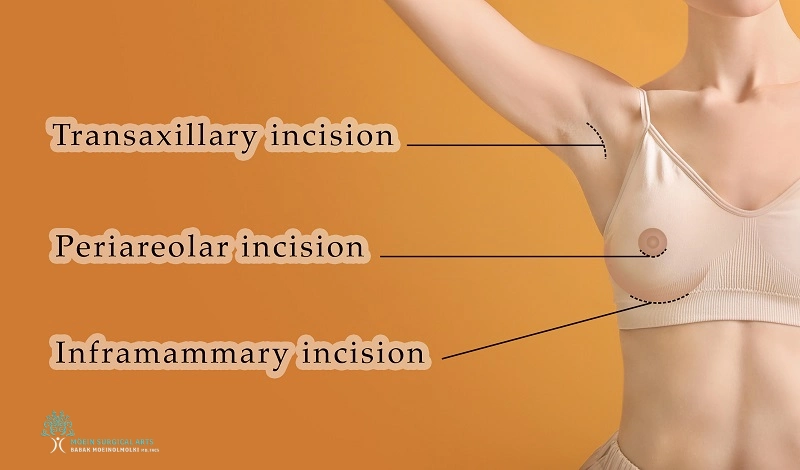
The way your implants are inserted plays a huge role in your ability to nurse later on.
In most cases, no. Implants are usually placed either:
Neither location is “inside” the duct system. That’s why many women breastfeed without issue after augmentation.
Where problems can arise is when surgery affects:
There are several misconceptions that cause unnecessary anxiety for patients. Let’s clear the air:
Pregnancy and breastfeeding naturally change the shape and density of breast tissue. If you have had breast surgery, you might wonder how these changes could affect you.
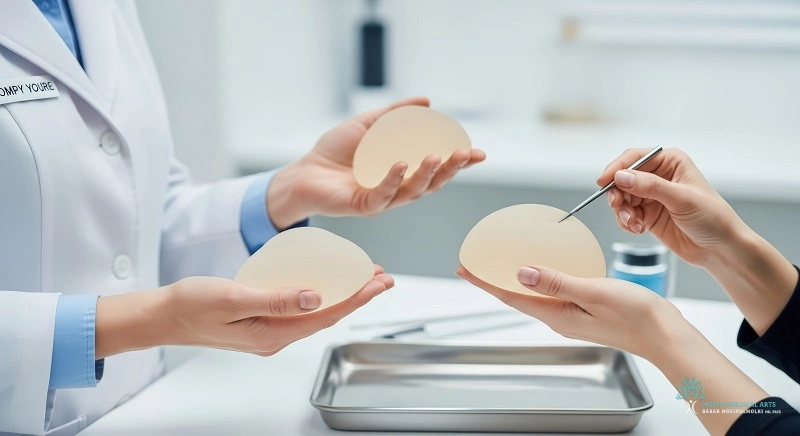
Safety is the number one priority for any mother. One of the most researched topics in plastic surgery is the safety of breast milk in women with implants.
According to the CDC (Centers for Disease Control and Prevention), there is no clinical evidence suggesting that women with either silicone or saline implants should avoid breastfeeding. Modern “Gummy Bear” or cohesive gel implants are designed to keep the silicone contained within the shell, and the levels of elemental silicon in the milk of women with implants are comparable to those in women without them.
Expert Insight: “The mammary glands are remarkably efficient at filtering. The risk of any foreign substance entering the milk supply from a modern, intact implant is virtually non-existent.” — Dr. Moein
Some women experience low milk supply even without surgery. Breast implants may increase the risk of challenges in specific situations:
Limited glandular tissue before surgery
If you had minimal breast development, often seen with tubular or widely spaced breasts, you may have started with less milk-producing tissue. Implants can enhance shape and volume, but do not create glandular tissue.
Periareolar incisions and reduced nipple sensation can impair the hormonal signal needed for let-down. This does not guarantee failure; it simply increases the likelihood of requiring additional support.
Multiple breast surgeries
Revisions, lifts, reductions, or implant exchanges can increase the risk of duct or nerve disruption over time.
Significant capsular contracture or chronic tightness
Severe firmness can make breastfeeding uncomfortable and may complicate proper latch positioning.
Non-surgical factors
Hormonal conditions such as thyroid disorders or PCOS, postpartum haemorrhage, retained placental fragments, certain medications, and infant latch issues can all affect milk supply.
In summary, implants may be one factor, but they are rarely the only factor affecting milk supply.
If you are planning to nurse after your augmentation, follow these steps to ensure a smooth journey:
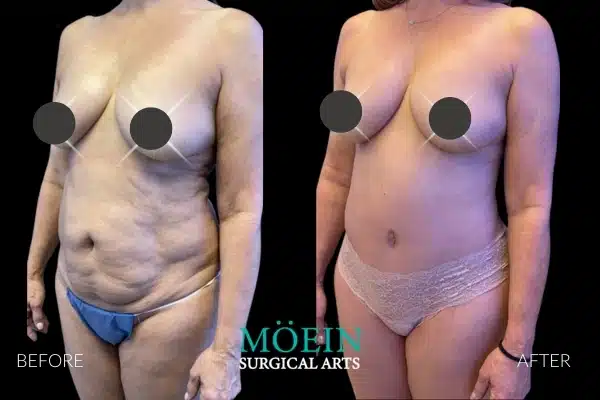
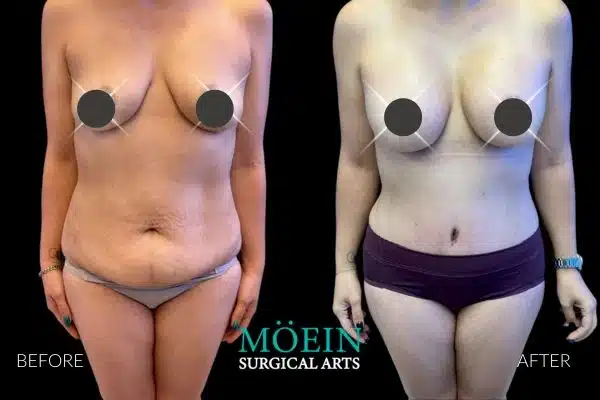
It is a common reality that “mommy makeover” procedures are often requested after a woman has finished her breastfeeding journey. If your breasts have changed shape or lost volume after nursing, you are not alone.
At our clinic, we specialize in restorative procedures. Whether it’s a simple implant exchange or a complex mastopexy (breast lift), we help women regain the confidence they had before pregnancy. You can see the transformative power of these procedures in our before and after gallery.
Choosing a surgeon who understands the delicate balance between aesthetic goals and functional health is vital. Dr. Moein’s approach to breast augmentation in Los Angeles focuses on:
The answer to “Can you breastfeed with implants?” is a resounding yes. Modern plastic surgery has advanced to a point where you no longer have to choose between your aesthetic confidence and your desire to provide the best for your child. By selecting a surgeon who prioritizes your long-term health and future family goals, you can enjoy the benefits of a contoured physique while remaining fully prepared for motherhood.
For women seeking the latest in implant technology, we often discuss the benefits of Motiva Breast Implants, known for their safety profile and natural feel, which are excellent options for those planning a future pregnancy.
However, we also understand that circumstances change. If you are considering a change or have concerns about older implants, you might wonder, does insurance cover breast implant removal? While every case is unique, our team is dedicated to helping you navigate the complexities of both surgery and coverage.
If you’re ready to take the next step in your journey, or if you have specific questions about how surgery might impact your breastfeeding plans, we are here to provide the answers you need.
Ready to start your transformation?