The primary difference between Lipedema and Lymphedema lies in their biological causes: Lipedema is a chronic condition involving abnormal fat distribution, usually affecting both legs or arms symmetrically, and is often associated with pain and resistance to diet or exercise. In contrast, lymphedema results from a problem in the lymphatic system, leading to fluid build-up, typically in one limb, along with pitting swelling and a higher risk of infections. Although both conditions cause limb enlargement and can affect mobility, distinguishing between them is essential, as their treatments differ significantly.
Both disorders become more severe if not controlled properly, yet they affect the body in different ways. In comparing Lipedema vs Lymphedema, it is essential to note that Lipedema is considered a predominantly hereditary and hormonal condition that mostly affects women, with onset often associated with dramatic hormonal shifts. It triggers the development of abnormal fat tissue that creates an uneven feeling on touch. On the other hand, Lymphedema is caused by a malfunctioning lymphatic system. This disorder may be innate or develop after surgical procedures, radiation therapy, or injury. In any case, the main problem of Lymphedema is the excessive accumulation of lymph rich in proteins between tissues, leading to thickening of these tissues.
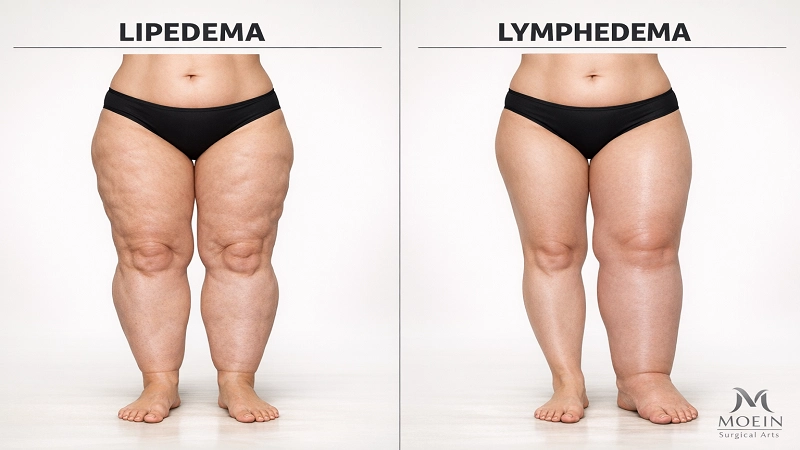
Lipedema is a chronic, progressive medical condition characterized by a symmetrical accumulation of abnormal fat tissue, primarily in the lower extremities. It is a disorder of the adipose (fat) tissue and is often triggered or exacerbated by hormonal shifts, such as puberty, pregnancy, or menopause.
Diet Resistance: This fat is metabolically different from “normal” fat. You can be in a significant caloric deficit and lose weight in your upper body, but the Lipedema fat in the legs will remain unchanged.
Symmetry: Unlike other types of swelling, Lipedema almost always affects both legs (or both arms) equally.
The “Cuff” Sign: One of the most defining features of Lipedema is that the swelling stops abruptly at the ankles or wrists. The feet and hands remain unaffected, creating a “cuff-like” appearance.
Pain and Tenderness: Lipedema fat is often painful to the touch. Patients frequently report a “heavy” feeling in their limbs.
Easy Bruising: The capillaries in Lipedema-affected tissue are fragile, leading to bruising with very little impact.
It is necessary to draw a line between Lipedema and cellulite, which is often considered a cosmetic problem. Lipedema is often confused with severe cellulite because both conditions have a similar skin appearance resembling an orange peel. However, cellulite is simply a cosmetic condition in which fat bulges through the connective tissues beneath the skin. Cellulite does not cause pain or bruising; moreover, it will not develop into Lipedema. Awareness of the differences between the two can help patients seek appropriate treatment for Lipedema/Lymphedema.
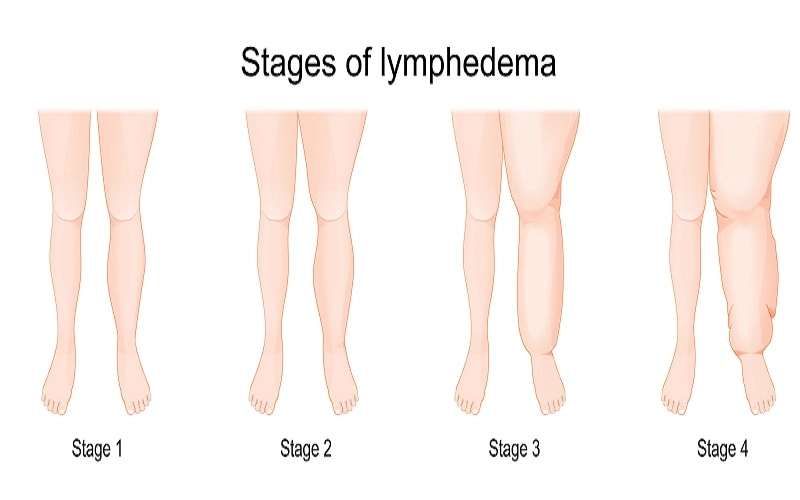
Lymphedema is a condition caused by a compromised lymphatic system. When the lymph vessels are unable to adequately drain protein-rich fluid (lymph), it accumulates in the tissues, causing swelling (edema).
| Feature | Lipedema | Lymphedema |
|---|---|---|
| Primary Cause | Abnormal fat distribution (Hormonal/Genetic) | Lymphatic drainage failure (Fluid buildup) |
| Symmetry | Symmetrical (Affects both legs/arms equally) | Asymmetrical (Usually affects one limb) |
| Feet and Hands | Spared (Stops at ankles/wrists; “Cuff” sign) | Involved (Tops of feet/hands swell) |
| Pain & Sensitivity | High; tissue is often very tender to touch | Heavy/Tight sensation, rarely “painful” fat |
| Bruising | Very common; capillaries are fragile | Not a standard symptom |
| Stemmer’s Sign | Negative (Skin can be pinched) | Positive (Skin cannot be pinched) |
| Response to Diet | Highly resistant to caloric restriction | Unresponsive (requires drainage) |
| Skin Texture | Soft, nodular, or “bumpy” | Can become hard, thick, and “woody” |
The differentiation between lipedema and lymphedema is not always possible. In severe lipedema stages 3 and 4, there is an excessive accumulation of adipose tissue that compresses lymphatic vessels.
This additional injury disrupts proper lymphatic drainage and may result in lipolymphedema. Individuals with a history of ‘spared feet’ may develop lymphatic edema of the feet if the lymphatic system is affected. Early intervention through treatment at centers such as Moein Surgical Arts is necessary to prevent any permanent lymphatic injury.
In Los Angeles, many patients are dismissed as being “obese” when they actually have a treatable medical condition. Dr. Babak Moein utilizes a multi-faceted approach to diagnosis:
Both conditions benefit from Complete Decongestive Therapy (CDT), which includes:
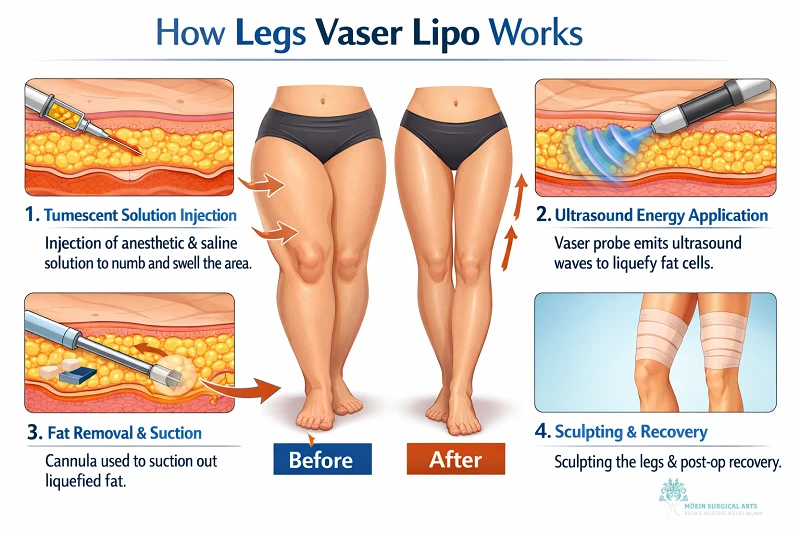
While conservative measures manage symptoms, they do not remove the pathological fat of Lipedema. For long-term relief, Dr. Moein specializes in Lymphatic-Sparing VASER Liposuction.
Why VASER is different: Traditional liposuction can be aggressive and may damage the already-stressed lymphatic vessels. VASER (Vibration Amplification of Sound Energy at Resonance) uses ultrasound energy to liquefy fat cells before they are removed. This allows cosmetic surgeon Dr. Moein to:
Los Angeles is a hub for medical innovation, but Lipedema remains a niche field. Choosing a board-certified surgeon like Dr. Babak Moein ensures that your surgery is not treated as a cosmetic “tummy tuck” or standard liposuction.
At Moein Surgical Arts, our focus is on Functional Restoration. We understand the psychological toll of these conditions—the years of “fat-shaming” and the physical burden of heavy limbs. Our facility provides a compassionate environment where your symptoms are validated, and your treatment is backed by the latest surgical technology.
Whether you are dealing with the symmetrical pain of Lipedema or the localized swelling of Lymphedema, you don’t have to manage it alone. The goal of treatment is to stop the progression of the disease, reduce your pain, and help you regain the lifestyle you deserve.
If you are in the Los Angeles or Beverly Hills area and suspect you may have one of these conditions, we invite you to schedule a comprehensive consultation at Moein Surgical Arts. Let us help you distinguish between the two and create a roadmap for your recovery.
Contact Moein Surgical Arts today to learn more about our specialized Lipedema and Lymphedema protocols.