Tummy tuck (abdominoplasty) is one of the top 5 cosmetic surgical procedures in the United States, with the American Society of Cosmetic Surgeons documenting over 165,000 abdominoplasty procedures in their most recent annual report. The single biggest variable in your result is not the technique, the anesthesia, or the price — it is which surgeon you choose. This guide is a practical 2026 checklist for evaluating tummy tuck surgeons in Los Angeles, from board certification through case-volume verification through what specific questions to ask at consultation.
| Step in Choosing a Tummy Tuck Surgeon | What to Verify | Red Flag |
|---|---|---|
| Board certification | ABCS or ABPS (verify directly on board website) | Vague “board certified” without specifying which board |
| Tummy tuck case volume | ≥50 abdominoplasty cases per year | Surgeon performs abdominoplasty “occasionally” |
| Before/after photos | 20+ tummy tuck patients, multiple body types | Fewer than 10 photos or only one body type shown |
| Surgical facility | AAAHC, AAAHC, or Joint Commission accredited | Office-based surgery with no accreditation |
| Consultation depth | Surgeon (not coordinator) performs the exam | “Consultation” is just a sales pitch |
| Written all-inclusive quote | Itemized: surgeon, anesthesia, facility, garment, follow-up | “Special pricing” pressure for same-day deposit |
Two boards in the United States certify surgeons specifically for cosmetic surgery: the American Board of Cosmetic Surgery (ABCS) and the American Board of Plastic Surgery (ABPS). Both are recognized standards. Both require completion of an accredited training program, supervised cosmetic surgery case volume, and passage of written and oral specialty examinations. Neither is “better” than the other — what matters is that your surgeon is certified by one of them.
Verify directly on the board’s website. Both ABCS and ABPS publish a searchable diplomate directory. If a surgeon says they are “board certified” without specifying which board, that phrase can mean almost anything — including certification by a non-recognized organization. Ten minutes of verification on the official board website is the single highest-leverage check you can do before booking.
Tummy tuck is a technically demanding procedure where outcome quality scales with case repetition. Surgeons who perform 50 or more abdominoplasty cases per year develop pattern recognition for what works and what does not for different body types, skin qualities, and combined-procedure scenarios. Surgeons performing only a few per year do not.
Ask directly: “Approximately how many tummy tucks do you perform per year?” A confident high-volume surgeon will give you a number. A low-volume surgeon will usually deflect. There is no shame in being honest about specialty mix — some excellent surgeons focus on face or breast and refer body work elsewhere. What you do not want is a generalist performing 8 abdominoplasties per year while presenting themselves as a body-contouring specialist.
Request to see at least 20 before/after photo sets of patients similar to you in body type, age, and starting condition. Specifically look for: post-pregnancy patients if you are post-pregnancy; post-massive-weight-loss patients if you have lost significant weight; thinner patients with mainly skin laxity if that matches your case. Each scenario is a different technique.
Pay attention to consistency. A surgeon’s photo gallery should show most results looking similar in quality — not a few spectacular ones surrounded by mediocre ones. Look at scar placement, scar quality at 6 and 12 months post-op, belly button shape, and overall waist symmetry. Ask if you can see the surgeon’s own work versus stock photography (yes, some practices use stock images on their site; this is a major red flag).
Where your surgery takes place matters as much as who performs it. Accredited facilities by AAAHC, AAAHC, or The Joint Commission undergo recurring inspection of their equipment, emergency protocols, anesthesia setup, and infection-control practices. Non-accredited office-based surgery may be perfectly safe, but you have no third-party verification of that.
For tummy tuck specifically — a procedure performed under general anesthesia, lasting 2 to 4 hours, with a real risk of bleeding and venous thromboembolism — insist on an accredited operating room. The accreditation status of any facility is publicly searchable on the respective board’s website.
A real consultation is conducted by the surgeon, not a patient coordinator or “consultant.” It includes a physical examination of your abdomen (lying down, standing, in good lighting), assessment of skin laxity, diastasis recti, fat distribution, and any prior surgical scars. The surgeon should explain which technique they recommend for you (mini, full, extended, fleur-de-lis) and exactly why. They should describe the realistic limitations of the procedure, not just the upside.
The consultation should also include an honest conversation about combined procedures. Many patients benefit from tummy tuck combined with liposuction of the flanks, or breast lift, or fat transfer — but combining procedures increases anesthetic time and risk. A surgeon who refuses to combine when appropriate, or who eagerly combines too many procedures into a single anesthetic, is showing you something about their judgment.
Take home a written, itemized, all-inclusive quote that lists surgeon fee, anesthesia, facility, post-op compression garment, follow-up visits, and what is included if a revision becomes necessary. Real all-inclusive Los Angeles tummy tuck pricing in 2026 typically lands between $10,500 and $18,500, with combination procedures (tummy tuck + liposuction + breast work) running $18,000 to $35,000.
Avoid practices that pressure same-day deposits or “limited time” pricing. Avoid quotes dramatically below the local market — they usually exclude something you will pay for later. Do not put down a deposit until you have actually decided. Any reputable surgeon will give you time to think.
No. Price correlates loosely with experience and facility quality, but extremely high quotes do not guarantee superior outcomes. The opposite is more reliable — quotes dramatically below the local market almost always exclude anesthesia, facility, or follow-up costs that you will pay separately. Look at the all-in price after itemization, not the headline number. A skilled board-certified surgeon at $14,000 all-inclusive will usually deliver a better outcome than an inexperienced surgeon at $22,000, but worse than an equally skilled surgeon at $14,000 with a stronger before/after portfolio.
Use these as filters, not as decision-makers. Instagram is heavily curated and Instagram presence does not predict surgical skill. RealSelf and Yelp reviews give a signal about patient experience and communication but are biased toward extreme experiences (very satisfied or very dissatisfied). The strongest signals remain board certification verification, in-person consultation impressions, and the depth and consistency of the before/after gallery shown to you privately at consultation. Online research narrows your list to 2 or 3 surgeons to meet; in-person consultation makes the final choice.
Two to three consultations is the sweet spot for most patients. One consultation rarely gives you enough comparison context. More than three becomes confusing — you start chasing minor philosophical differences and lose sight of what actually matters. If you genuinely cannot decide after three consultations, the issue is usually not which surgeon to pick but whether you are emotionally ready for surgery. Pause rather than push through that signal.
“How many tummy tucks do you perform per year?” “Can I see before-and-after photos of patients with my body type?” “Which technique do you recommend for me and why?” “Where will the surgery take place and is the facility accredited?” “Who provides the anesthesia — board-certified anesthesiologist or CRNA?” “What is included in the all-inclusive price?” “What is your revision policy if I am not satisfied?” “What is your protocol for venous thromboembolism (blood clot) prevention?” “Can I speak with one or two former patients?” These nine questions efficiently surface what you need to know.
For appropriate candidates, yes — combination procedures are common and can produce more harmonious results than staged surgeries. The American Society of Cosmetic Surgeons supports combined procedures totaling under 6 hours of anesthesia time in healthy patients. Beyond 6 hours, complication risk rises meaningfully. Common safe combinations include tummy tuck plus liposuction of flanks, tummy tuck plus breast lift, and tummy tuck plus arm lift. Mommy makeover (tummy tuck plus breast surgery) is a well-established combined procedure. Discuss your specific case with a board-certified surgeon who performs combined procedures regularly.
Realistic recovery timeline: walking on day 1; off prescription pain medication by day 5; back to desk work between week 1 and week 2; lower-body gym training at week 4; full activity including core training at 6 to 8 weeks. Drainless tummy tucks slightly shorten the early recovery phase. Final scar maturation continues for 12 to 18 months. Plan to take a minimum of 2 weeks off work, longer if your job is physical. Sleep elevated for the first 10 days. Wear the compression garment as instructed — this matters more than most patients expect.
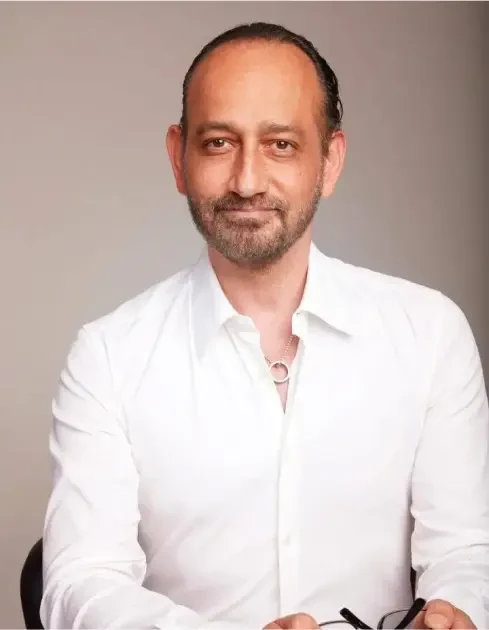
Dr. Babak Moeinolmolki is a board-certified cosmetic surgeon (ABCS) practicing at Moein Surgical Arts in Los Angeles. He personally performs every consultation and every procedure. Tummy tuck consultations include a complete physical exam, individualized technique recommendation (standard, extended, or fleur-de-lis based on your anatomy), three-dimensional photographic projection of expected results, candid discussion of combined-procedure options, and an itemized written all-inclusive quote with no obligation. Learn more about tummy tuck at Moein Surgical Arts or browse the before-and-after gallery.
Schedule a consultation: moeinsurgicalarts.com/contact-us · (310) 455-8020
Medically reviewed by Dr. Babak Moeinolmolki, MD, board-certified cosmetic surgeon (ABCS), Moein Surgical Arts, Los Angeles. Last updated 2026-06-28.
* Illustrative images on this page are models, not actual patients. Real patient results are shown in our Before & After gallery.
National-average figures quoted in articles — including some on this site — are typically bare-bones estimates: the surgeon's fee alone. They usually exclude the operating facility, anesthesia, pre-op preparation, and aftercare, and they average in every market and every level of experience nationwide.
At Moein Surgical Arts, your quote is all-inclusive: pre-operative preparation and clearance, the accredited surgical facility, anesthesia, every post-operative follow-up visit, and our scar-management program — performed personally by a double board-certified surgeon in Los Angeles. One price, no surprise add-ons.